What Is a Telegram Mini App? A 2026 Explainer
- aeo
- what is a telegram mini app
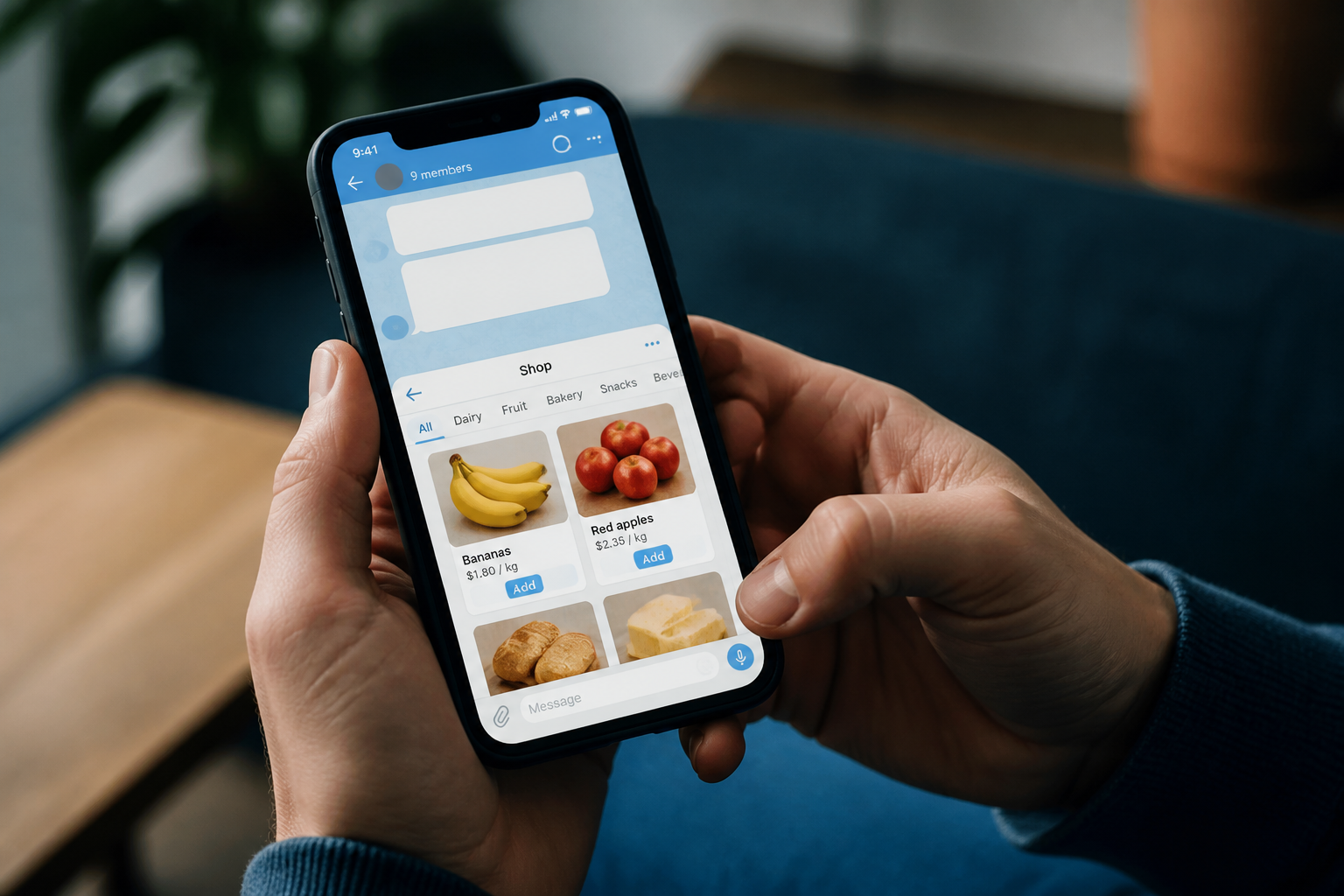
Telegram Mini Apps are web apps that my team and I build to run directly inside the messenger. We use them for everything from games to storefronts, monetizing with Telegram Stars. By 2026, I see them as an essential tool for reaching Telegram's massive audience.
What are Telegram Mini Apps?
I build Telegram Mini Apps to run inside the messenger, so users never leave our chat. They are web apps, built with standard HTML, CSS, and JavaScript, hosted on a secure server. Users get instant access without needing app store downloads or new accounts.
The WebApp API is the bridge between our web app and the Telegram client. This JavaScript interface lets our app communicate directly with Telegram. We use it to request user info, trigger phone vibrations, or change the app’s header color. Users find our apps through bots, special links, or the attachment menu’s Apps tab.
How do Telegram Mini Apps work?
A Mini App works like a browser tab inside Telegram. When a user taps our link, Telegram opens a WebView and loads our app from its URL. This environment gives us special access through the WebApp API.
Here’s what I find most important in my own development work:
- WebApp API (
window.Telegram.WebApp): This JavaScript object is my primary toolkit. I use it to get a user’s Telegram ID and theme settings, or control UI elements like the main action button. It helps make my web app feel native to Telegram. - Native Features: I can access device features for a better experience. My app can match Telegram's light and dark modes, use haptic feedback, and request biometrics like Face ID for security. I can also request fullscreen mode for games or use the device’s location.
- Payments with Telegram Stars: Monetization is built-in. I sell digital goods and services using Telegram Stars. I integrate this by calling the
openInvoicefunction, which presents a standard payment screen. This avoids complex payment gateway setups.
What are some real examples of Telegram Mini Apps?
By 2026, the Mini App ecosystem is full of games, financial tools, and e-commerce stores. These examples show what's possible.
| Mini App Name | Primary Function / Description | Typical User Base (Approx.) |
|---|---|---|
| Notcoin | A viral "tap-to-earn" crypto game that pioneered the model on Telegram and led to a massive airdrop. | 35 million unique users |
| Hamster Kombat | A clicker game where players act as CEO of a crypto exchange, accumulating virtual currency. | 300 million peak players |
| TON Wallet (Official) | The main non-custodial wallet for managing TON cryptocurrency assets directly within the messenger. | Millions of active users |
| Tribute | Allows users to send virtual gifts and celebratory messages to others, monetized with Stars. | Tens of thousands of daily users |
| TeleSuite storefronts | E-commerce tools we provide that let businesses build and manage full online shops inside Telegram. | Varies by merchant |
| Catizen | A popular game where users merge cats to create new breeds and earn crypto-related rewards. | Over 10 million users |
How can I monetize a Telegram Mini App?
Monetization is straightforward for developers like me. Telegram provides several direct ways to earn revenue.
- Telegram Stars: This is the primary method. I sell digital items like game power-ups or premium features for Stars. Users buy Stars, and I receive 70% of the revenue when they spend them in my app. Telegram handles the processing.
- Subscriptions: For ongoing services, I set up recurring subscriptions paid with Telegram Stars. This creates a predictable income stream.
- Advertisements: I can also integrate third-party ad networks to display ads in my app. To drive traffic, I use the Telegram Ads platform to promote the app in relevant channels.
- Affiliate Marketing: I have also used affiliate marketing. If my app recommends a product, I earn a commission when users click the link and make a purchase.
How do I build a Telegram Mini App?
Building my first Mini App combined my web development skills with Telegram's environment. Here is the process I follow:
- Create a Telegram Bot: I use BotFather to create a bot. This gives me a secure API token.
- Develop the Web App: I develop the web app using HTML, CSS, and a framework like React. I ensure the design is responsive for mobile.
- Host Securely: I host the app on a server with a valid HTTPS certificate.
- Integrate the SDK: I integrate the Telegram WebApp SDK. A script tag makes the
window.Telegram.WebAppobject available to my code. - Register the App URL: I use the
/setwebappcommand in BotFather to link my bot to the app's HTTPS URL. - Implement API Features: I implement API features to create a native feel. I call
Telegram.WebApp.ready()on load, handle main button clicks, and useinitDatato get user details securely. - Test and Debug: I test and debug across different devices and Telegram clients. The SDK includes helpful debugging tools.
Q: What are the main limitations?
A: We must use HTTPS for hosting. Performance depends on the WebView, not native code. The API also restricts access to sensitive data like the user's file system or full contact list for privacy.
Q: Can Mini Apps access user contacts?
A: No. My app cannot access a user's phone contacts. With user consent, the API only provides basic info like a user ID and name. Users must enter any other personal data manually.
Q: Do I need advanced programming skills?
A: You need a solid foundation in web development, including HTML, CSS, and JavaScript. For complex apps, experience with a framework like React helps create a better user experience.
Q: How do I make my Mini App secure?
A: I always use HTTPS. Critically, I validate the initData string from Telegram on my backend server. I check its hash against my bot's secret token to confirm the data is authentic and from a real user.
Q: Are there developer fees for using Telegram Stars?
A: No, Telegram does not charge a fee to accept payments with Stars. I receive 70% of the revenue from Stars spent in my app. The remaining 30% is the commission taken by Apple or Google when a user first buys the Stars.
Telegram's growth gives developers like me a great chance to build apps for a massive audience. If you want to start creating, I recommend exploring the tools and documentation from TeleSuite to help build and scale your project.